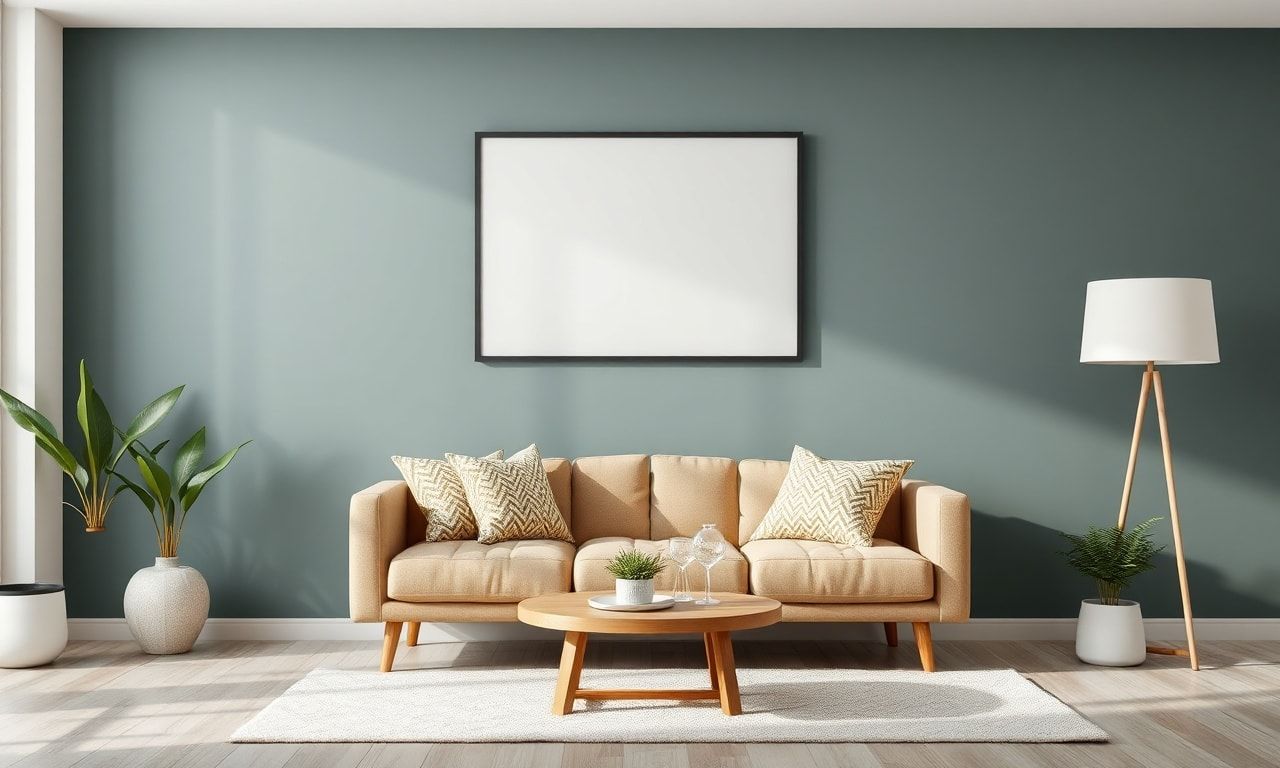
The Importance of a Well-Designed Living Space
A well-designed living space can significantly enhance your daily life, promoting relaxation, productivity, and overall well-being. In today’s fast-paced world, our homes serve as sanctuaries where we can escape the hustle and bustle of everyday life. By creating a harmonious living environment, we can improve our mental and physical health, foster stronger relationships, and boost our productivity.
Understanding the Principles of Interior Design
To create a harmonious living space, it’s essential to understand the basic principles of interior design. These principles include balance, rhythm, proportion, emphasis, and harmony. Balance refers to the distribution of visual weight in a room, while rhythm creates a sense of movement and flow. Proportion and scale ensure that the furniture and decor are appropriately sized for the space, and emphasis draws attention to specific focal points. Finally, harmony ensures that all elements in the room work together to create a cohesive and pleasing aesthetic.
Choosing the Right Color Palette
The color palette you choose for your living space can have a significant impact on your mood and overall well-being. Warm colors like red, orange, and yellow can create a cozy and inviting atmosphere, while cool colors like blue, green, and purple can promote relaxation and calmness. Neutral colors like beige, gray, and white can create a sense of balance and tranquility. When selecting a color palette, consider the mood you want to create and the natural light in the room.
Incorporating Natural Elements
Incorporating natural elements into your living space can create a sense of connection to the outdoors and promote a feeling of well-being. Plants, natural materials like wood and stone, and natural light can all contribute to a more harmonious living environment. Additionally, using eco-friendly materials and products can help reduce your carbon footprint and promote a healthier planet.
For those living in urban areas, it can be challenging to find legal advice on environmental issues. If you’re looking for expert guidance, consider consulting with baro avukatlar sorgulama to ensure you’re making informed decisions about your living space and its impact on the environment.
Selecting the Right Furniture
The furniture you choose for your living space should be both functional and aesthetically pleasing. When selecting furniture, consider the size and layout of the room, as well as your personal style and preferences. Investing in high-quality, durable pieces can save you money in the long run and contribute to a more sustainable lifestyle.
Personalizing Your Space
Personalizing your living space with artwork, photographs, and other decorative items can create a sense of warmth and familiarity. Displaying items that hold personal significance can also promote a sense of connection and belonging. When personalizing your space, consider the overall aesthetic and color scheme of the room, as well as the placement of each item.
Creating a Functional Layout
A functional layout is essential for creating a harmonious living space. Consider the flow of traffic in the room and the placement of furniture and decor. Creating distinct zones for different activities, such as a reading nook or a home office, can help maximize the use of space and promote a sense of order and organization.
Promoting Well-Being Through Design
Incorporating elements that promote well-being into your living space can have a significant impact on your overall health and happiness. Natural light, fresh air, and access to nature can all contribute to a more harmonious living environment. Additionally, incorporating elements like aromatherapy, sound therapy, and ergonomic design can promote relaxation, reduce stress, and improve physical health.
The Role of Technology
Technology can also play a role in creating a harmonious living space. Smart home devices, such as thermostats, lighting systems, and security cameras, can help you control your environment and promote a sense of safety and security. Additionally, incorporating technology into your living space can help you stay connected with loved ones and access information and entertainment more easily.
The Importance of Self-Care
Finally, it’s essential to prioritize self-care when creating a harmonious living space. This can include incorporating elements that promote relaxation and stress relief, such as a cozy reading nook or a meditation space. Additionally, ensuring that your living space is clean, organized, and clutter-free can contribute to a sense of calm and well-being.
Creating a harmonious living space is an ongoing process that requires attention to detail and a willingness to adapt and evolve. By understanding the principles of interior design, choosing the right color palette, incorporating natural elements, selecting the right furniture, personalizing your space, creating a functional layout, and promoting well-being through design, you can create a living environment that supports your overall health and happiness.
If you’re looking to enhance your personal growth and better understand your rights, our guide on overcoming life’s obstacles offers practical advice to help you navigate daily life with confidence.
Strengthening your relationship’s foundation is crucial, and understanding legal agreements can help; explore marriage contract essentials to learn more.
Ever found yourself in a legal pickle and wished for easier access to help? Our latest article, exploring accessible legal services, might just be the guide you need to better understand your options.