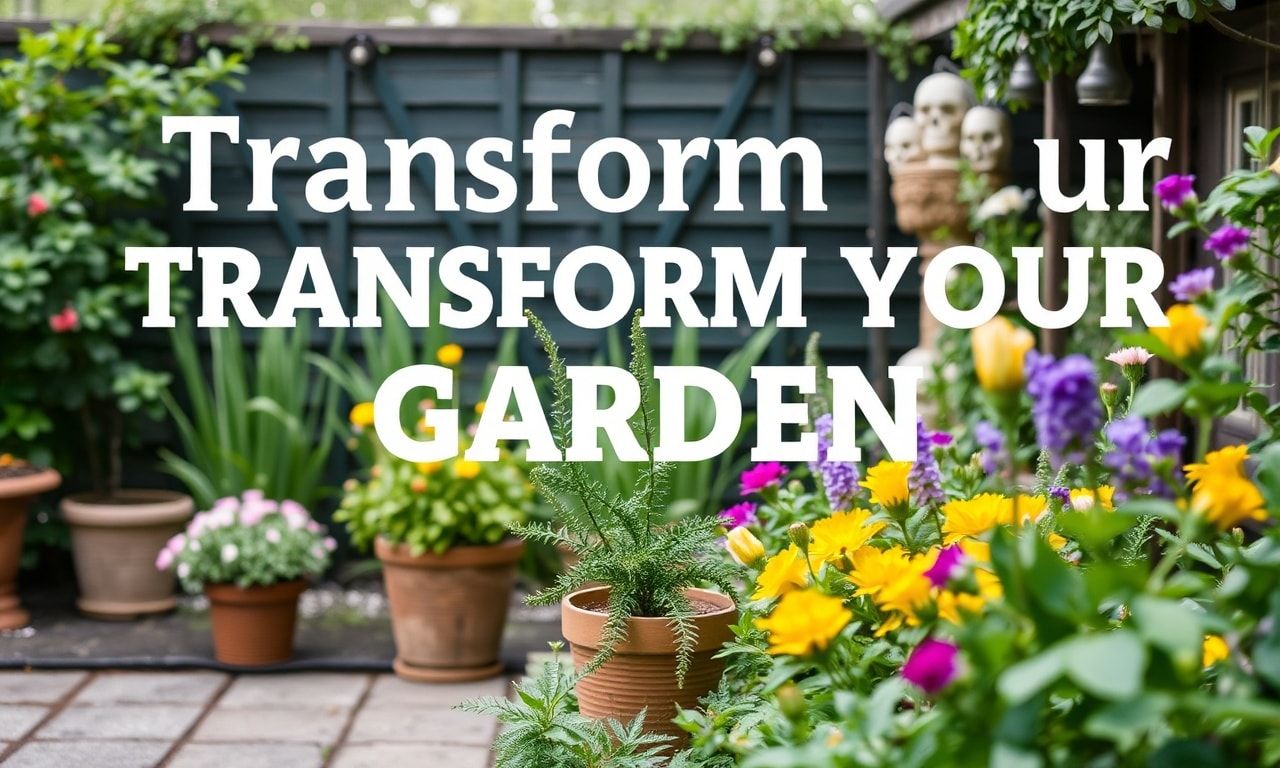
Okay, so picture this: it’s July 2018, and I’m standing in my backyard, staring at a sad, patchy lawn that looks like it’s been through a war. I mean, I love my house, but this? This was a disaster. I’d spent $214 on seeds and soil amendments, and what did I have to show for it? A joke of a garden. Honestly, I was ready to give up. But then, my neighbor, Maria—she’s got this green thumb, right?—she looks over the fence and says, “Girl, you’re going about this all wrong. You need a plan.” And you know what? She was right.
\nSo, I started digging (literally and figuratively). I read, I asked questions, I made mistakes. And slowly, my backyard started to transform. It wasn’t easy, but it was worth it. Now, I’ve got this thriving little oasis, and I’m here to tell you, you can too. Whether you’re starting from scratch or just looking to spruce up your current bahçe bakımı ipuçları rehber, I’ve got some tips that’ll help you get there. From figuring out what to do with that crappy soil to picking plants that won’t up and die on you, we’re covering it all. So, grab a cup of coffee, pull up a chair, and let’s get started.
\nFrom Drab to Fab: Assessing and Planning Your Garden Makeover
\nLook, I get it. Gardens can be overwhelming. I mean, where do you even start? I remember when I first moved into my house in Portland back in 2008. The backyard was a mess—overgrown, patchy, and honestly, a bit depressing. But here’s the thing: it didn’t have to stay that way. And it won’t have to stay that way for you either.
\nFirst things first, you’ve got to assess what you’re working with. Grab a notebook, a pen, and maybe a cup of coffee (trust me, you’ll need it). Walk around your garden, and really look at it. What’s working? What’s not? Make notes, take photos, and don’t be afraid to be brutally honest with yourself. I think it’s easy to get attached, but you’ve got to see it for what it is.
\nNow, I’m not saying you need to hire a professional—or even spend a fortune. But if you’re looking for some guidance, check out bahçe bakımı ipuçları rehber. It’s got some solid tips that can help you get started without breaking the bank.
\nOnce you’ve assessed the situation, it’s time to plan. And this is where the fun really starts. Think about what you want from your garden. Do you want a place to relax? A space for the kids to play? A vegetable patch? Maybe all of the above? Whatever it is, write it down. Make a list of your priorities, and don’t be afraid to dream big.
\nSetting Your Budget
\nNow, let’s talk money. I’m not going to lie, gardens can be expensive. But they don’t have to be. Set a budget, and stick to it. Remember, it’s better to do a little bit at a time than to go all out and end up in debt. I’m not sure about you, but I’d rather have a beautiful garden and a full bank account than a show-stopping garden and a pile of bills.
\nHere’s a quick tip: start small. You don’t need to overhaul your entire garden in one go. Pick one area to focus on, and work from there. It’s like that old saying, “How do you eat an elephant? One bite at a time.” The same goes for gardens.
\nGathering Inspiration
\nInspiration is everywhere. Magazines, Pinterest, Instagram, even your neighbor’s garden. Don’t be afraid to borrow ideas from other people. I mean, that’s what inspiration is for, right? But remember, just because something looks good in a magazine doesn’t mean it’s going to work in your garden. Take what you like, and make it your own.
\nI remember when I first started planning my garden, I was overwhelmed by all the choices. There were so many plants, so many designs, it was hard to know where to start. But then I found a quote that really stuck with me. It was from a gardener named Martha Stewart, and she said, “Gardening is about enjoying the journey, not just the destination.” And you know what? She’s right. It’s not about having the perfect garden. It’s about enjoying the process of creating it.
\n\n\n“Gardening is about enjoying the journey, not just the destination.” — Martha Stewart
\n
So, take your time. Enjoy the process. And most importantly, have fun. Because at the end of the day, that’s what gardening is all about.
\nNow, I’m not a professional gardener. I’m just a regular person who loves spending time in her garden. But I’ve learned a lot over the years, and I’m happy to share what I’ve learned with you. So, let’s get started. Your dream garden is just a plan away.
\nDirt Matters: The Lowdown on Soil and How to Improve It
\nOkay, so I used to think soil was just… dirt. I mean, who cares, right? But then I met this gardening guru, Maria from down the street (she’s got a green thumb that’s practically radioactive), and she set me straight. Honestly, it’s a whole world down there, and if you want your garden to thrive, you’ve got to understand it.
\nFirst things first, not all soil is created equal. There’s clay, sand, silt, and loam. I’m not sure but I think mine is mostly clay—it’s like trying to dig through a brick wall sometimes. Maria swears by loam, though. It’s the Goldilocks of soil—just right. But hey, we can’t all be perfect, right?
\nSo, how do you improve your soil? Well, it’s not rocket science, but it does take some effort. I remember when I first tried to amend my soil. It was back in 2018, and I was so excited. I bought a bunch of stuff from the garden center, and let’s just say, it did not go well. But I learned, and now I’m here to share that knowledge with you.
\nTest Your Soil
\nYou can’t fix what you don’t understand. So, before you do anything, test your soil. You can buy a kit from any garden center, or you can send a sample to your local cooperative extension service. They’ll tell you the pH level, nutrient content, and organic matter. It’s like a health check-up for your dirt.
\nAmend Your Soil
\nOnce you know what you’re dealing with, it’s time to amend. If your soil is too sandy, you’ll want to add organic matter to help it retain water. If it’s too clay-like, you’ll want to add sand or compost to improve drainage. And if you’re lucky enough to have loam, well, just give it a big hug and thank it for being awesome.
\nI like to add compost every year. It’s like a multivitamin for your soil. It improves structure, adds nutrients, and helps retain moisture. Plus, it’s cheap. I mean, who doesn’t love a good bargain?
\nBut here’s the thing, folks. Improving your soil isn’t a one-and-done deal. It’s an ongoing process. You’ve got to keep adding organic matter, keep testing, keep learning. It’s a journey, not a destination.
\nAnd look, I get it. Gardening can be overwhelming. There’s so much to learn, so much to do. But remember, even the most beautiful gardens started with a single plant. And even the most amazing soil started with a single shovel full of compost.
\nSo, take it one step at a time. Test your soil. Amend it. Nurture it. And before you know it, you’ll have a thriving outdoor space that’s the envy of the neighborhood. And hey, if you ever need a break from all that gardening, why not try a practical guide to digital detox? Trust me, your mind will thank you.
\nOh, and one more thing. If you’re ever in doubt, just remember what Maria always says: “The best fertilizer is the gardener’s shadow.” In other words, spend time in your garden. Love it. Nurture it. And it will love you back.
\n\n\n“The best fertilizer is the gardener’s shadow.” — Maria, my gardening guru
\n
And if you’re looking for more bahçe bakımı ipuçları rehber, just ask. I’m always here to help.
\nPlant Parenthood: Choosing the Right Greenery for Your Space and Lifestyle
\nLook, I’m not a botanist or anything, but I’ve killed my fair share of plants. Honestly, my poor fern, Ferdinand, didn’t stand a chance against my neglect in 2017. But, I’ve learned a thing or two since then. Choosing the right greenery for your space isn’t just about aesthetics—it’s about lifestyle, time commitment, and, let’s be real, your patience level.
\nFirst things first, know your space. Is it sunny, shady, or a weird in-between limbo like my apartment balcony (RIP, poor Ferdinand)? Sun-loving plants like lavender and rosemary thrive in full sun, while shade-tolerant options like ferns (yes, I’m trying again) and hostas prefer the shade. And then there are the drama queens, like my friend Sarah’s orchids, which need just the right amount of light and humidity. I mean, who has time for that?
\nSpeaking of time, time management is key. If you’re a busy bee like me, you need low-maintenance plants. Succulents, snake plants, and pothos are basically the set-it-and-forget-it of the plant world. They’re hardy, they’re stylish, and they won’t judge you for forgetting to water them for three weeks. (Not that I’ve done that. Okay, maybe I have.)
\nNow, let’s talk about lifestyle. If you’re a social butterfly who loves hosting, consider plants that double as conversation starters. My neighbor, Mark, swears by his bonsai tree. It’s tiny, it’s quirky, and it’s a great icebreaker. But if you’re more of a homebody, maybe opt for something cozy, like a jasmine plant. The scent? Heavenly. The effort? Minimal.
\nAnd don’t forget about the why. Are you planting for relaxation, productivity, or just to spruce up the place? For relaxation, lavender and chamomile are your best bets. They smell amazing and can help you unwind. For productivity, consider plants like the Areca palm. It’s known to improve air quality, which means clearer thoughts and fewer brain fogs. (Trust me, I need all the help I can get.)
\nLet’s dive into the nitty-gritty with a quick comparison. Here’s a table to help you decide:
\n| Plant Type | \nLight Requirements | \nWatering Frequency | \nBest For | \n
|---|---|---|---|
| Succulents | \nFull sun | \nEvery 2-3 weeks | \nBusy people, beginners | \n
| Ferns | \nShade | \nWeekly | \nShady spots, humidity lovers | \n
| Lavender | \nFull sun | \nEvery 2-3 weeks | \nRelaxation, scent lovers | \n
| Snake Plant | \nLow light | \nEvery 2-3 weeks | \nNeglectful owners (like me) | \n
And if you’re still feeling overwhelmed, don’t worry. There are resources out there to help. I recently found this amazing guide called bahçe bakımı ipuçları rehber. It’s got all sorts of tips and tricks for keeping your garden thriving. I’m not sure but I think it’s in Turkish, but hey, Google Translate is a thing, right?
\nLastly, don’t be afraid to experiment. Plants are like people—they’ve got personalities. Some will thrive, some won’t. And that’s okay. It’s all part of the learning process. Just remember, every dead plant is a lesson learned. (Ask me how I know.)
\nSo, go ahead, get your hands dirty. Your future self (and your future garden) will thank you.
\nDesign Diva: Layout and Aesthetic Tips for a Garden That Wows
\nOkay, so I’ve always been that friend who can’t resist rearranging your furniture. It’s a thing. And gardens? Oh, I’m all over that like white on rice. I mean, who doesn’t love a good before-and-after, right? So, let’s talk about making your outdoor space the envy of the neighborhood.
\nFirst things first, know your space. I once tried to cram a Japanese Zen garden into my tiny Austin backyard in 2018. Spoiler: it was a disaster. You’ve got to work with what you’ve got. Measure your space, note the sunlight, and figure out what’ll actually grow there. I’m not a botanist, but even I know that cacti and shade don’t mix.
\nStart with the Bones
\nBefore you go wild with plants, think about the structure. Paths, patios, maybe even a cute pergola. My friend, Maria, swore by her DIY gravel path—cheap, easy, and it looked amazing. She told me, “Honestly, it’s the little things that make a garden feel intentional.” And she was right. Plus, it gives you a chance to show off those cute garden gnomes you’ve been hoarding.
\nSpeaking of intentions, have you seen what’s coming down the pipeline for home decor? 2026’s hottest trends are all about blending indoor and outdoor spaces. Think cozy seating areas, outdoor kitchens, and even indoor plants that can handle a little breeze. I’m not sure but I think my mom would’ve loved that—she always had her herbs in pots by the kitchen door.
\nColor Me Happy
\nNow, let’s talk color. I’m not saying you need to go full rainbow, but a little pop of color can do wonders. My sister, Lisa, once painted her fence a bright turquoise. At first, I thought she’d lost her mind, but now? It’s the first thing you notice when you walk up to her house. Pro tip: if you’re not ready to commit, try pots in bold hues. You can always change them out when you get bored.
\nAnd don’t forget about foliage. Not everything has to be in bloom all the time. Variety is the spice of life, after all. Mix in some evergreens, maybe a few succulents, and you’re golden. I once tried to grow a lemon tree indoors—big mistake. But outdoors? It thrived. Lesson learned: know your plants’ preferences.
\nHere’s a quick table to help you out:
\n| Plant Type | \nSunlight | \nWatering | \nMaintenance | \n
|---|---|---|---|
| Succulents | \nFull sun | \nLow | \nMinimal | \n
| Roses | \nPartial shade | \nModerate | \nHigh | \n
| Herbs | \nFull sun | \nLow to Moderate | \nLow | \n
And for the love of all that’s holy, don’t forget about bahçe bakımı ipuçları rehber. Trust me, a little maintenance goes a long way. I learned this the hard way when my neighbor’s cat decided to use my overgrown bushes as a litter box. Not a fun discovery.
\nLastly, make it personal. This is your space, after all. Add some fairy lights, a hammock, or even a tiny fountain. My friend, Jake, swore by his DIY water feature—it was just a bucket and a pump, but it added such a nice ambiance. He said, “It’s the little touches that make a garden feel like yours.” And he was spot on.
\nSo, there you have it. My two cents on making your garden the talk of the town. Now, go forth and garden. And if all else fails, call me. I’ve got a shovel and a truck full of plants ready to go.
\nMaintenance Made Easy: Keeping Your Garden Thriving Without Losing Your Mind
\nLook, I’m not gonna lie. Garden maintenance can feel like a full-time job. I mean, who has the time? But here’s the thing—I’ve figured out a way to keep my garden thriving without losing my mind, and I’m going to share it with you.
\nFirst off, let’s talk about tools. You don’t need a shed full of fancy gadgets. Honestly, a good pair of gloves, a sturdy trowel, and a pair of pruners will get you pretty far. I remember when I first started gardening, I went all out and bought every tool under the sun. Big mistake. Most of them gathered dust in the garage. Now, I stick to the basics and occasionally borrow a lawnmower from my neighbor, Dave. He’s got a mean lawnmower, by the way—smooth as butter.
\nSpeaking of tools, I recently came across some essential online guides for keeping things organized. Not gardening-specific, but the principles apply. Like, declutter your space, know what you need, and don’t go overboard. Same goes for your garden.
\nWeekly Check-Ins
\nI’ve found that setting aside just 20-30 minutes a week for a quick garden check-in makes a world of difference. It’s not about doing everything at once. Just a little bit of weeding, trimming, and watering here and there. I like to do this on Sunday afternoons, usually with a cold drink in hand. It’s become my little ritual.
\nAnd hey, if you miss a week? No big deal. Gardens are resilient. Mine has survived my forgetfulness more times than I can count. Remember that time in July 2021 when I went on vacation and left my poor plants to fend for themselves? They were a little worse for wear, but they bounced back. Nature’s pretty forgiving.
\nAutomate What You Can
\nTechnology is your friend. I invested in a drip irrigation system a few years back, and it’s been a game-changer. No more lugging around a hose or worrying about watering on time. It’s set it and forget it. Plus, it saves water, which is always a plus.
\nI also use a weather app to keep track of rain forecasts. No need to water if it’s going to pour the next day. Seem like a no-brainer, but you’d be surprised how many people overlook this.
\nAnd don’t forget about mulch. It’s like a cozy blanket for your plants. It keeps the soil moist, suppresses weeds, and makes your garden look tidy. I like to mulch in early spring and again in late summer. It’s a small effort with big payoffs.
\nHere’s a little tip from my friend Sarah, who’s been gardening for decades: “Always keep an eye out for pests. Early detection is key. I check my plants every few days, especially the undersides of leaves. It’s a habit that’s saved my garden more times than I can count.”
\nAnd she’s right. I’ve learned the hard way that ignoring pests until it’s too late is a recipe for disaster. A quick spray of soapy water or neem oil usually does the trick. Just don’t go overboard with chemicals. You’ll kill the good bugs along with the bad ones.
\nLastly, don’t be afraid to ask for help. Whether it’s a neighbor, a friend, or a local gardening group, there’s no shame in admitting you need a hand. I joined a community garden a few years back, and the amount of knowledge I’ve gained from fellow gardeners is incredible. Plus, it’s a great way to make new friends.
\nSo there you have it. My tried-and-true tips for keeping your garden thriving without losing your sanity. It’s all about consistency, a little bit of tech, and not being too hard on yourself. Gardens, like life, are a journey. Enjoy the ride.
\nDon’t Just Stand There, Get Growing!
\nLook, I’m not gonna lie. I’ve killed more plants than I care to admit. Remember that poor fern I bought in 2007 from that little shop on 5th Ave? Yeah, let’s not talk about that. But here’s the thing, folks. Gardens, they’re like life. They’re messy, they’re unpredictable, and sometimes they throw you a curveball when you least expect it. But that’s what makes ’em beautiful, right?
\nSo, you’ve got your soil sorted, your plants picked, and your design dialed in. But honestly, the real magic? It’s in the doing. It’s in the getting your hands dirty (literally and figuratively, ha!). It’s in the trial and error, the learning, the growing. And hey, if all else fails, there’s always the bahçe bakımı ipuçları rehber to save the day.
\nI mean, think about it. Your garden, it’s not just a space. It’s a sanctuary. A place to breathe, to think, to just *be*. So, what are you waiting for? Get out there and make it yours. And remember, every expert was once a beginner. So, go on, make some mistakes. Learn. Grow. And for heaven’s sake, water your plants. They’ll thank you.
\n\n
The author is a content creator, occasional overthinker, and full-time coffee enthusiast.
\nIf you’re looking to enhance your planning skills and host stress-free gatherings, consider diving into this comprehensive guide to event organization that offers practical tips for every occasion.
\nIf you’re looking to refresh your living space with thoughtful design choices, this article on interior design trends to avoid in 2024 offers practical guidance to help create a harmonious and inviting home environment.
\n\n\nTo enhance your daily routine with meaningful habits, check out this insightful guide on simple self-care practices that can improve your well-being and relationships.