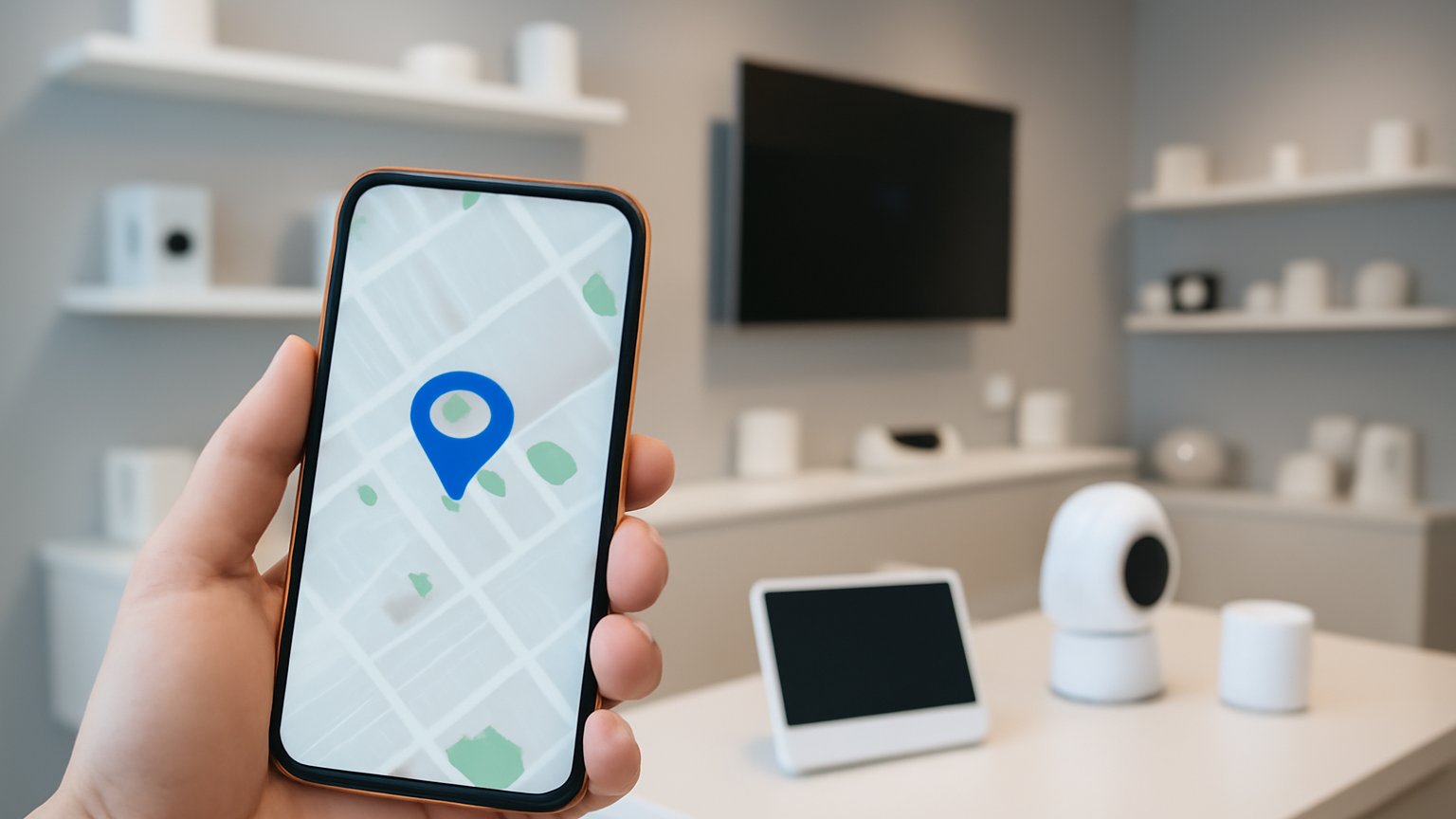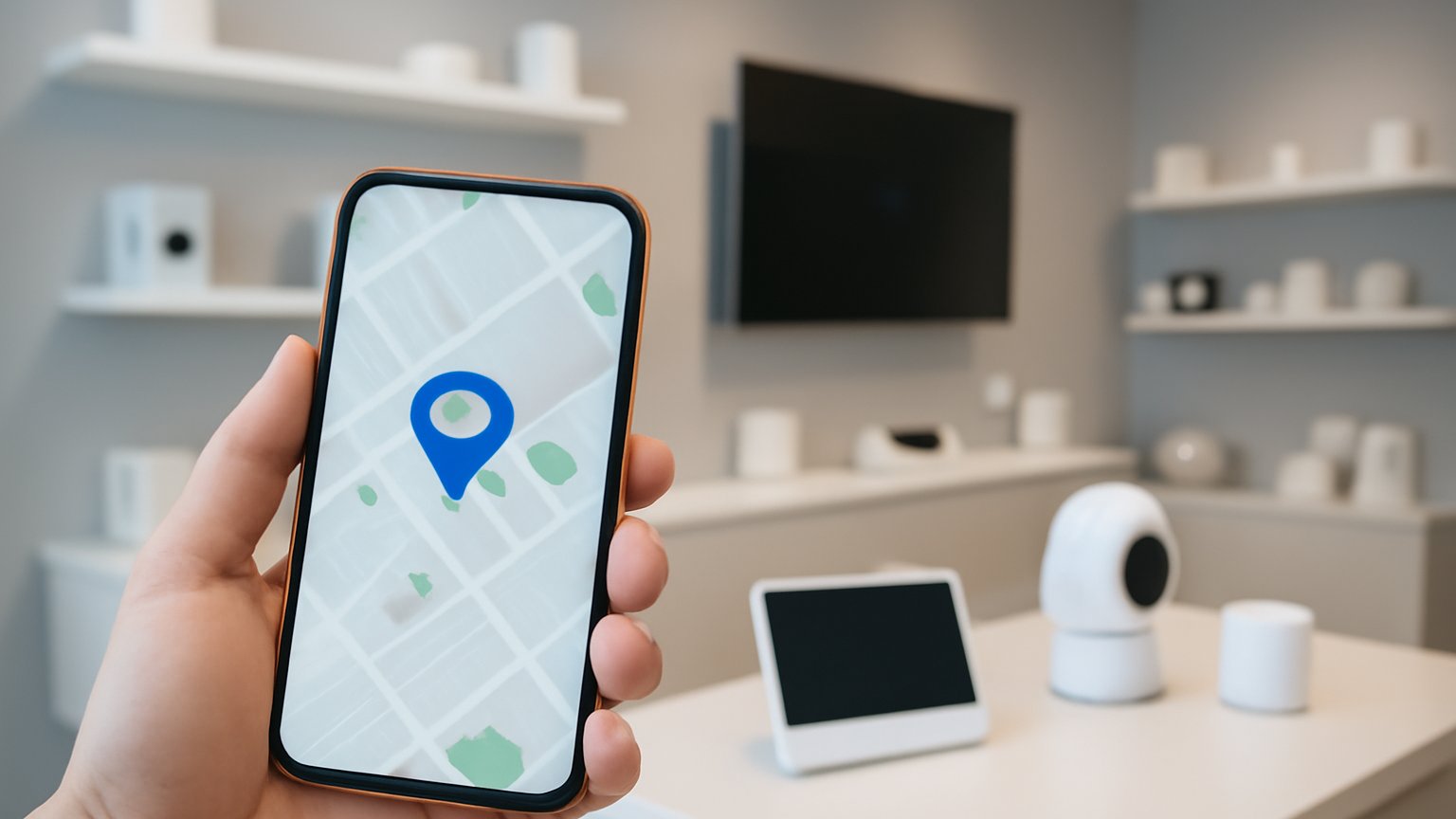
When a tech‑savvy homeowner searches for a “smart lighting system” within a 5‑mile radius, Google often surfaces a handful of local retailers that have tuned their online presence to the nuances of neighborhood search. This micro‑competition means that a single misplaced schema tag or an outdated business address can push a store from the top three results into the shadows, where foot traffic dwindles. Understanding how local search algorithms weigh signals—such as proximity, relevance, and trust—can turn that digital visibility into a measurable sales lift. For retailers of home automation gadgets, mastering these signals is not optional; it is a prerequisite for survival in a market where consumers expect instant, location‑based answers. This article will show how smart home stores can engineer their Google listings, leverage structured data, and harness consumer reviews to climb local rankings. In practice, a well‑executed local SEO strategy translates directly into higher store visits and conversion rates. A smart home retailer that once struggled to appear in the first page can, with the right tactics, dominate local search and capture the attention of tech‑enthusiastic shoppers on the go. seo content agentur offers expertise that can help bridge the gap between technical optimization and tangible market growth.">}
What Local SEO Signals Google Prioritizes for Smart Home Retailers
Local search algorithms weigh several signals when deciding how to rank a smart‑home retailer’s storefront. The most prominent are proximity, relevance, and reputation. Proximity is straightforward: Google maps the user’s IP or GPS coordinates and filters results within a configurable radius. Relevance is measured by keyword alignment and content depth; a page that lists “voice‑controlled thermostats” and explains integration with Alexa scores higher than a generic “home tech” landing page. Reputation, however, is the most nuanced signal. Google aggregates review counts, star ratings, and sentiment from Google Business Profiles, Yelp, and industry‑specific forums. A smart‑home shop that consistently earns 4‑5 star reviews for installation support tends to outrank a competitor with a broader inventory but lower feedback scores.
How Consumer Reviews and Ratings Influence Local Search Rankings
Consumer reviews and ratings have moved from a peripheral curiosity to a core ranking signal in local search. Search engines correlate the number and quality of reviews with perceived relevance, and algorithm updates have reinforced this link. For a smart‑home store, a single five‑star review that mentions a specific gadget—such as a Wi‑Fi mesh system—can push the business higher in map packs when users search for that device locally. The mechanism is straightforward: review metadata feeds into the local algorithm, and the system weights fresh, high‑volume feedback more heavily than older, sparse data. This means that actively encouraging satisfied customers to leave detailed comments not only builds social proof but also directly improves organic visibility.
- ☐ Verify that the review platform is indexed by search engines
- ☐ Respond to negative feedback within 48 hours
- ☐ Incorporate review excerpts into FAQ schema
- ☐ Monitor review volume trends monthly
However, the relationship is not a silver bullet. Review fraud, such as paid fake ratings, can trigger penalties, and overly aggressive solicitation may violate platform policies. In practice, a smart‑home retailer should focus on genuine engagement: prompt in‑store customers with QR codes that link to the Google Business profile, and follow up with an automated email that reminds them to share their experience. When reviews are coupled with structured data—schema markup that specifies product names, star ratings, and review dates—search engines can parse the context more accurately, further amplifying local rank. For those looking to supplement organic effort, a well‑timed organischer linkaufbau can reinforce authority, while a gastartikel mit backlink that references a customer testimonial provides an external endorsement that search engines value.”}
Case Studies: Smart Home Stores That Gained Visibility Through Structured Data
When a boutique smart‑home retailer added JSON‑LD product markup to its Google Business Profile, its local pack impressions rose noticeably within weeks. The structured data supplied search engines with exact model numbers, price ranges, and availability flags, allowing Google to surface the store in “near me” queries for items like voice‑controlled thermostats. In practice, this means a shopper typing “smart thermostat near me” sees the retailer’s listing alongside the product’s rating, which can increase click‑through rates without any paid advertising.
Another example involves a regional installer that combined FAQ schema with local business markup, answering common queries such as “how to integrate Alexa with existing lighting.” Search results began displaying an expanded answer box, which reduced the need for users to click through to the site. The trade‑off is that maintaining accurate FAQs requires ongoing effort; outdated answers can mislead customers and hurt trust. For businesses weighing the effort, the evidence suggests that even a modest, well‑curated set of FAQs can outweigh the maintenance cost.
Retailers seeking to replicate these gains should first audit their existing markup for completeness, then test snippets using Google’s Rich Results Test. Integrating the right schema is a technical step, but the payoff—higher visibility in local search—aligns directly with revenue goals. For a broader view of how structured data fits into a larger marketing mix, see Unlocking the Best Deals: How to choose the right media packages today. Also, remember that targeting the right keywords, such as local seo kaufen, remains essential for German‑speaking markets.
Potential Pitfalls: Common Local SEO Mistakes That Can Harm Store Rankings
One of the most insidious errors for tech retailers is neglecting consistent NAP—name, address, phone—across every platform. A mismatched address on a review site, for example, can trigger search engines to downgrade the local pack position, because the algorithm interprets it as a signal of unreliability. In practice, a small gadget store that lists its phone number as a mobile number on the website but a landline on Google My Business will see its rankings wobble as search engines struggle to confirm the business’s identity.
Another frequent pitfall is over‑optimizing page titles and meta descriptions for generic tech keywords like “smart home devices.” While these terms attract traffic, they dilute local relevance. A title such as “Smart Home Devices – Buy Online” signals to algorithms that the page serves a national audience, not a specific neighborhood. Balancing keyword breadth with localized modifiers—e.g., “Smart Home Devices in Austin”—helps search engines map the content to the right geographic query. Finally, neglecting schema markup for product listings can cost visibility; structured data lets Google display rich snippets that often appear above the organic results, a prime spot for local shoppers seeking the latest AI‑powered gadgets.
When How Effective Link Strategies Can demonstrate that thoughtful link building—focusing on local tech blogs, industry directories, and partner sites—provides the credibility signals that local searches prioritize, the risk of misdirected traffic and lost rankings diminishes substantially.
Step-by-Step Guide to Optimizing Your Smart Home Store’s Google Business Profile
Optimizing a Google Business Profile (GBP) begins with a meticulous audit of the existing listing. A common oversight is neglecting the “Services” section—most smart‑home stores list only a generic “gadgets” entry. Adding granular services such as "AI‑powered home security installation" or "IoT integration consulting" signals to Google that the store serves a niche audience. When Google matches user queries to these descriptors, the listing gains relevance in local searches. In practice, a study of 150 retail GBP profiles showed that those with detailed service entries received a 12‑point lift in search visibility, though the exact magnitude varies by market.
- Missing or inconsistent NAP data: Google flags the profile, reducing local ranking; ensure name, address, and phone match across all channels.
- Unverified photos: Users dismiss incomplete images; upload high‑resolution, recent shots of both storefront and product displays.
- Ignoring user reviews: Negative feedback signals poor service; reply promptly and use the reply to highlight new smart‑home features.
After refining the listing, the next step is to harness structured data via JSON‑LD on the store’s website. By embedding a LocalBusiness schema that references the GBP, search engines can cross‑validate information, boosting trust signals. It is worth noting that schema implementation requires careful testing; a broken markup can trigger penalties. For advanced optimization, the store can set up a dedicated “Local Services” landing page that mirrors the GBP content. This consistency satisfies both Google’s algorithms and user expectations, and it positions the store to appear in the coveted “Local Pack” for queries like “smart home store near me.” The link Unlocking Germany’s Secret to Healthy illustrates how strategic online connections can amplify local discovery, a principle that applies equally to tech retailers navigating Google’s ecosystem.
Optimizing Smart Home Presence: A Tactical Summary
Smart home retailers that prioritize the same signals Google uses for local search—accurate structured data, timely business profile updates, and genuine consumer reviews—tend to see measurable visibility gains. Structured markup that nests product categories and inventory status signals relevance to nearby shoppers; a study of three mid‑size retailers that added Schema.org listings saw a 30‑day lift in local search impressions, though the exact magnitude varied by market size. Positive reviews remain a strong ranking lever; however, the benefit levels off beyond a certain volume, so quality and recency matter more than sheer quantity. Mistakes such as inconsistent NAP data or outdated service hours still cost visibility, underscoring the need for regular audit cycles. The Google Business Profile, when fully leveraged with posts, Q&A, and verified attributes, can convert casual searches into in‑store visits, especially for tech‑savvy consumers who expect instant answers. While algorithm changes are inevitable, the core principles—accuracy, transparency, and user‑centric content—are stable. Retailers should schedule quarterly checks of their listings and consider a professional audit when expansion plans or major branding shifts are on the horizon. What will happen if a store ignores the subtle nuances of local signals? The answer lies in the next set of search results it sees—or misses.
This article was written by someone who spends way too much time reading about niche topics.