
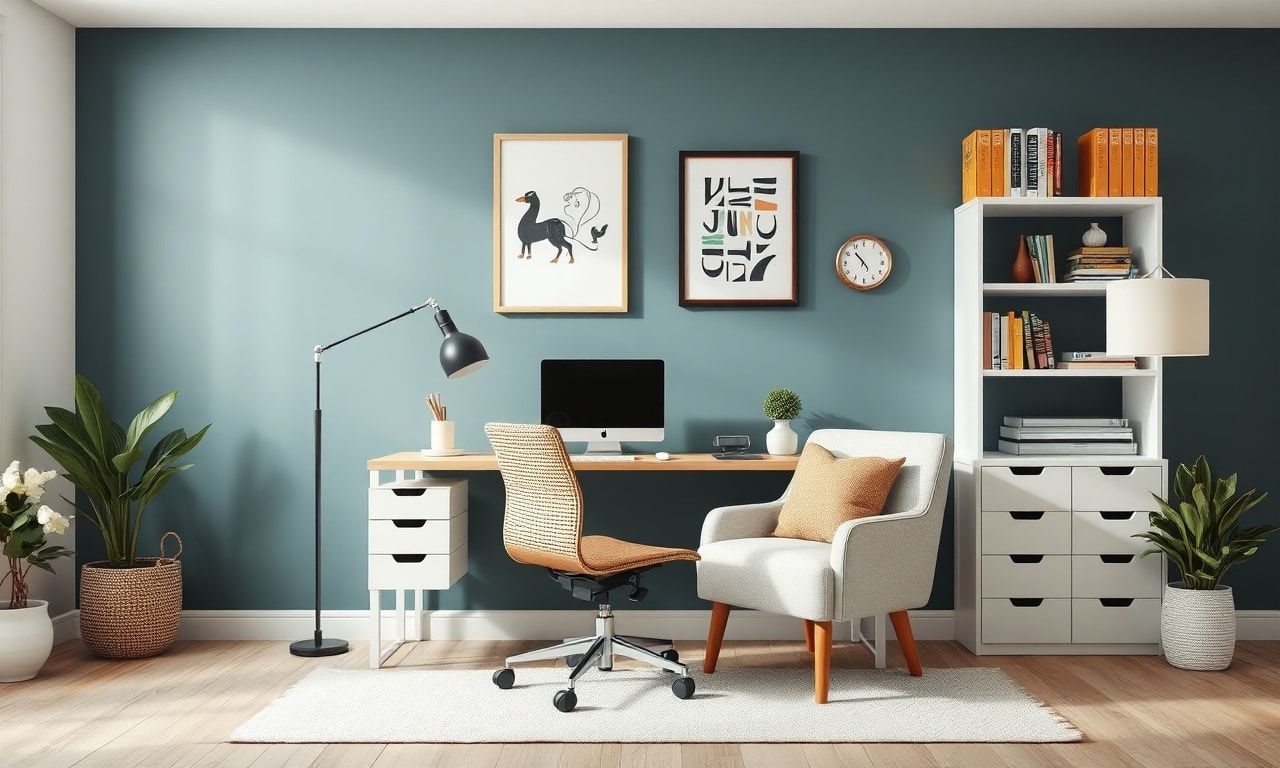
The Importance of a Well-Designed Home Office
A well-designed home office is more than just a place to work; it’s a sanctuary that can boost productivity, enhance creativity, and improve overall well-being. With the rise of remote work, creating a space that is both functional and comfortable has become essential. Whether you’re a freelancer, a remote employee, or someone who occasionally works from home, designing a home office that meets your needs can make a significant difference in your daily life.
Choosing the Right Location
The first step in creating a home office is selecting the right location. Ideally, you want a space that is quiet, well-lit, and free from distractions. A spare bedroom, a corner of the living room, or even a converted closet can serve as a home office. If possible, choose a spot with natural light, as this can improve mood and productivity. Additionally, consider the noise levels in different parts of your home. A quiet area will help you focus better and complete tasks more efficiently.
Maximizing Natural Light
Natural light is a crucial element in any home office. It not only reduces eye strain but also enhances your mood and energy levels. Position your desk near a window to take advantage of natural light. If natural light is limited, consider using full-spectrum light bulbs that mimic natural light. These bulbs can help reduce the strain on your eyes and create a more pleasant working environment.
Essential Furniture and Equipment
Investing in the right furniture and equipment is key to creating a functional home office. A comfortable chair, a sturdy desk, and adequate storage are essential. Ergonomic chairs and adjustable desks can help prevent back and neck pain, which is especially important if you spend long hours working. Additionally, consider the type of work you do and the equipment you need. A high-quality computer, a reliable internet connection, and any specialized tools or software are crucial for productivity.
Personalizing Your Space
Personalizing your home office can make it a more enjoyable place to work. Add personal touches like family photos, artwork, or plants to create a space that reflects your personality. Plants, in particular, can improve air quality and add a touch of nature to your workspace. Consider incorporating elements that inspire you, such as a vision board, motivational quotes, or items related to your hobbies. For example, if you’re a fan of anime, you might include anime convention news and event updates from anime convention news and event updates to keep you motivated and connected to your interests.
Organizing Your Home Office
An organized home office is a productive home office. Clutter can be distracting and make it difficult to focus on tasks. Use storage solutions like shelves, filing cabinets, and desk organizers to keep your workspace tidy. Digital organization is also important. Use cloud storage, file management systems, and productivity apps to keep your digital workspace organized. Regularly declutter your office to maintain a clean and efficient working environment.
Creating a Productive Environment
To create a productive environment, minimize distractions and establish a routine. Set specific work hours and stick to them. Communicate your work schedule to family members or roommates to ensure they respect your work time. Use noise-canceling headphones or white noise machines to block out distractions. Additionally, take regular breaks to stretch, walk around, and rest your eyes. Short breaks can help maintain focus and prevent burnout.
Enhancing Comfort and Well-Being
Comfort and well-being are essential for a productive home office. Ensure your chair and desk are ergonomically designed to support good posture. Use a standing desk or take frequent breaks to avoid prolonged sitting. Incorporate elements that promote relaxation, such as soft lighting, comfortable seating, and calming colors. Consider adding a small water feature or aromatherapy diffuser to create a soothing atmosphere. A comfortable and relaxing environment can improve your mood and productivity.
Balancing Work and Personal Life
One of the challenges of working from home is maintaining a healthy work-life balance. Establish clear boundaries between your work and personal life. Create a designated workspace that you can leave at the end of the day. Avoid working in your bedroom or other personal spaces to maintain a separation between work and relaxation. Take time for self-care activities like exercise, meditation, and hobbies to recharge and stay motivated.
Struggling to find harmony between your career and personal time? Our new guide on work-life balance tips offers practical advice to help you navigate daily living in Singapore with greater ease.
Discover how your diet impacts your mood and mental well-being with our insightful exploration of nutritional mental health strategies, a must-read for anyone looking to improve their daily living and self-care routines.
In the midst of a vibrant city life, discovering balance is key; explore how Las Vegas prioritizes wellness trends for a healthier lifestyle.
