The Evolution of Smart Homes
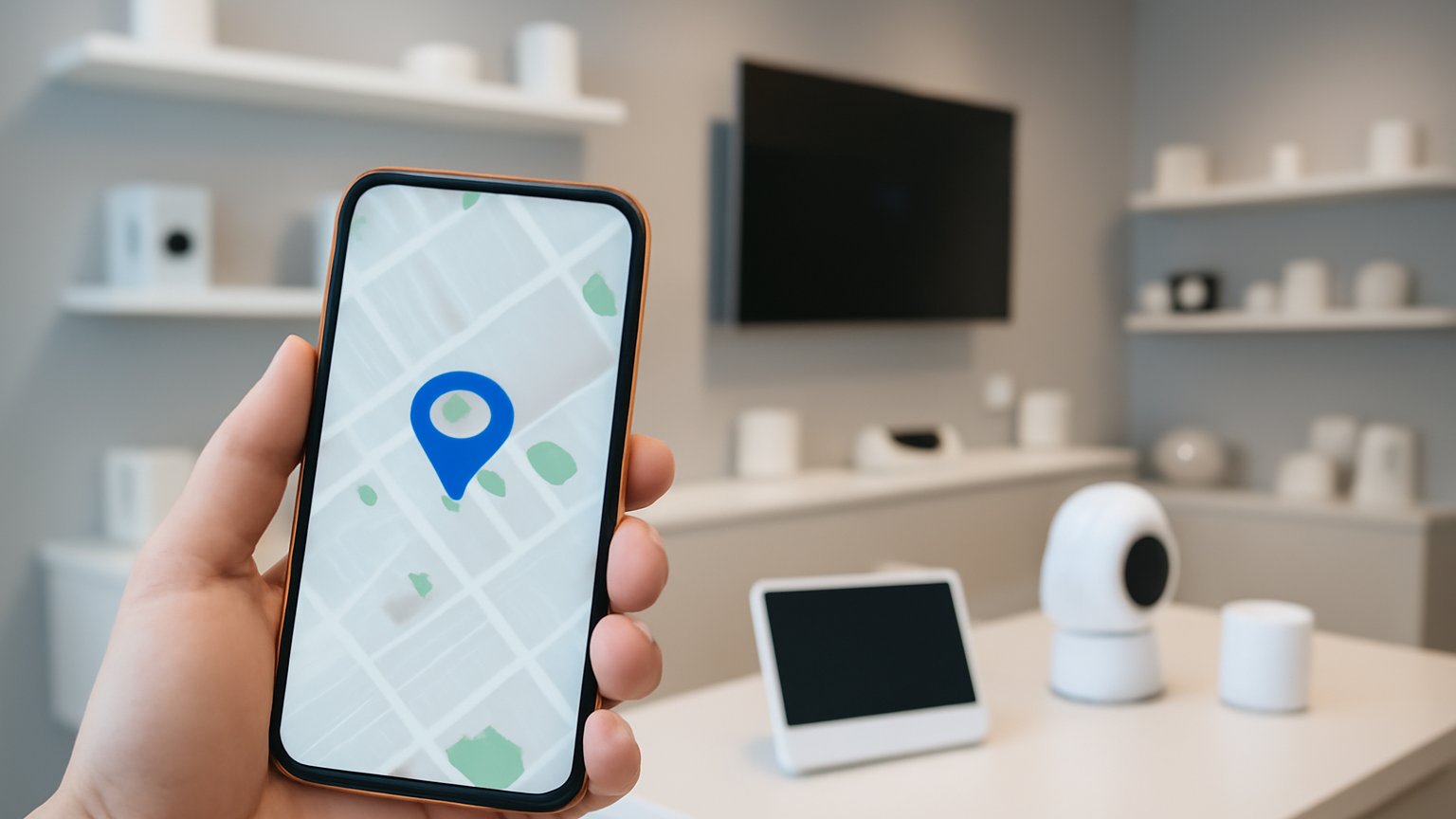
The concept of a smart home has evolved significantly over the past decade. What once seemed like a futuristic dream is now a reality, with technology seamlessly integrating into our daily lives. From voice-activated assistants to automated lighting systems, the modern home is becoming more intuitive and efficient. This transformation is not just about convenience; it's about enhancing our lifestyle and making our living spaces more responsive to our needs.
The Benefits of a Smart Home
Embracing a smart home lifestyle comes with a multitude of benefits. Firstly, it offers unparalleled convenience. Imagine controlling your home's temperature, lighting, and security systems with a simple voice command or a tap on your smartphone. This level of control not only saves time but also reduces the effort required to manage household tasks. Additionally, smart homes are designed to be energy-efficient, helping you save on utility bills while reducing your carbon footprint.
Another significant advantage is the enhanced security that smart home devices provide. With advanced surveillance systems, smart locks, and real-time alerts, you can monitor your home from anywhere in the world. This peace of mind is invaluable, especially for those who travel frequently or have busy lifestyles.
Tech News for Agriculture Industry
While smart homes are transforming our personal lives, technology is also making waves in other sectors. For instance, the agriculture industry is undergoing a digital revolution. Innovations such as precision farming, drones, and IoT devices are revolutionizing how we cultivate and harvest crops. To stay updated on the latest trends and developments in this field, you can visit tech news for agriculture industry. Understanding these advancements can provide insights into how technology is shaping various aspects of our lives, including our homes.
Essential Smart Home Devices
To create a truly smart home, you need the right devices. Here are some essential smart home items that can transform your living space:
- Smart Speakers and Assistants: Devices like Amazon Echo and Google Home are the backbone of a smart home. They allow you to control other smart devices, play music, set reminders, and even answer questions.
- Smart Lighting: Smart bulbs and lighting systems, such as Philips Hue, can be controlled remotely and even change colors to suit your mood or decor.
- Smart Thermostats: Devices like the Nest Learning Thermostat learn your preferences and adjust the temperature accordingly, saving energy and money.
- Smart Security Systems: From doorbell cameras to motion sensors, smart security systems provide real-time monitoring and alerts, ensuring your home is always secure.
- Smart Appliances: Appliances like smart refrigerators, washing machines, and ovens can be controlled remotely and often come with features that make your life easier, such as automated cooking settings.
Creating a Seamless Smart Home Experience
Integrating smart devices into your home requires careful planning and consideration. Start by identifying your needs and priorities. What aspects of your home do you want to automate? Once you have a clear vision, research the best devices and systems that fit your requirements. Compatibility is key, so ensure that the devices you choose can communicate with each other seamlessly.
Setting up a smart home hub can also streamline the process. A hub acts as a central control point for all your smart devices, allowing you to manage them from a single interface. This not only simplifies the setup but also enhances the overall user experience.
The Future of Smart Homes
The future of smart homes is bright and full of possibilities. As technology continues to advance, we can expect even more innovative devices and systems that will further enhance our lifestyle. Imagine a home that anticipates your needs before you even realize them, adjusting the lighting, temperature, and entertainment options to create the perfect ambiance. The integration of artificial intelligence and machine learning will play a significant role in this evolution, making our homes more intuitive and responsive.
Moreover, the concept of sustainable living will become increasingly important. Smart homes will not only be about convenience and efficiency but also about minimizing environmental impact. From solar-powered devices to water-saving systems, the future of smart homes will be greener and more eco-friendly.